
Reflections from “Nature Everywhere”
By Samantha Peyton, Build Up California Staff
In April of 2025, I had the amazing opportunity to attend the Nature Everywhere Conference, hosted by the Children & Nature Network in St. Paul, Minnesota. I was surrounded by early childhood educators, landscape architects, nature play experts, school administrators, urban gardeners and many, many more attendees dedicated to improving children’s access to the natural world. I explored the offerings of the conference with my child care facilities hat on, soaking in the information while considering how child care facilities could be adapted or constructed to support outdoor curriculum or connect children to natural materials even in the face of climate change.
In one session, my tablemates and I compared the play opportunities of a real lemon plucked from the tree of our presenter, versus a plastic lemon commonly found in a preschool play kitchen. We tested our five senses (yes, we licked the lemon!) and unanimously concluded that that the real lemon had much more to offer. But why do we so often opt for plastic? Perhaps for the convenience of longevity or maybe because it's what we have become accustomed to.
We discussed the many barriers providers and caregivers face trying to bring children to natural spaces: it’s too far, too hot, too dangerous, or too expensive. But in all of my conversations we reached the same conclusion—the pursuit of connecting children with nature is a noble one because when they do they thrive!
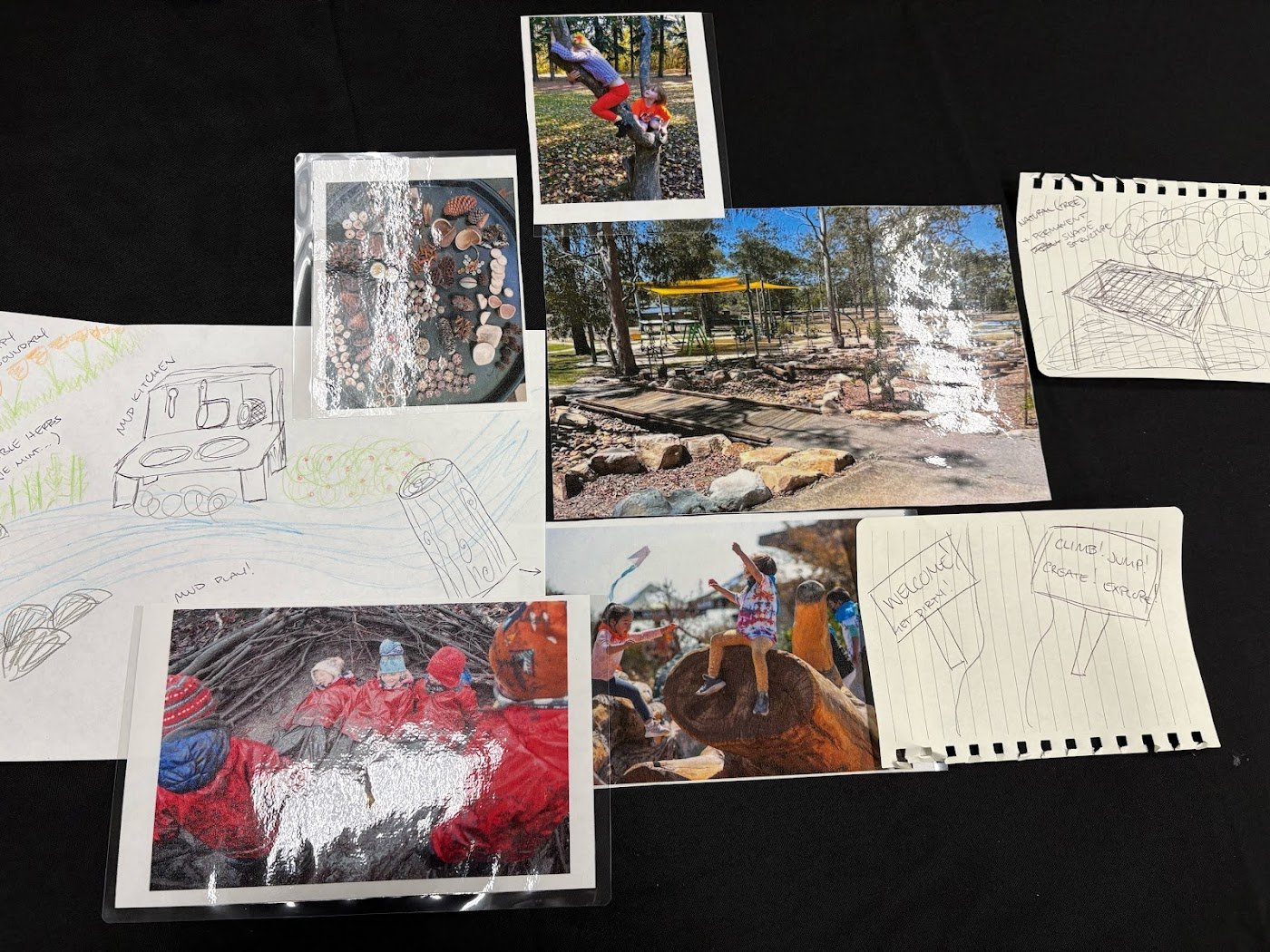
In one of my favorite sessions, my tablemates and I created our dream outdoor learning environment using sample photos from Minneapolis and St. Paul public parks and child care programs.
Based on the learnings from this session, we drew in other elements that can make nature play spaces even more welcoming to young children and their families, like mud kitchens, shade structures and inviting signs.
Step one became demystifying the notion that nature play has to be all or nothing. In an ideal world children would have ample access to safe and shaded public parks, and all child care facilities would be designed to foster outdoor learning. However, not all neighborhoods in this control were created equally and landscaping can be an expensive endeavor.
Make the outside comfortable. We know children are sensitive to the heat and UV rays from the sun. But so many outdoor plastic and metal play structures heat up when sat in direct sunlight. Permanent shade structures can greatly reduce air and surface temperatures of outdoor play areas. Better yet, large trees can provide the same shade and purify the surrounding air.
Opt for loose parts. One of the most important characteristics of natural elements is that they are not nailed down or prescribed for a specific use. Many plastic toys are designed to be used for one thing (i.e. plastic animals, doll houses, etc.), meaning they can’t be manipulated or modified easily. Natural materials such as logs, wood cookies, leaves, sand or rocks are all sensory rich materials that young children can easily move to create new structures, scenes and characters for imaginary play. Swapping out a few plastic or stationary play elements with easily accessible natural loose parts can reduce children’s exposure to toxic, off-gassing plastics and introduce them to things found in nature even when indoors.
Embrace the mess. It is true that playing in the dirt can get a little messy. But it is important to reflect on the reasons we might avoid offering “messy” materials in our classrooms. Many providers at the conference sited parent concerns with dirty clothes as a barrier to offering play opportunities with water or mud. Still, other providers offered success stories of setting expectations with parents and explaining the importance of sensory play with these natural materials. Offering aprons or big t-shirts for children to wear can also help. Cleaning up messy play can sometimes feel out of reach for short-staffed child care providers. That is ok! These activities do not have to happen every day, and with careful planning or contained play spaces, clean-up efforts can be reduced.
These are just a few bite-sized takeaways from a plentiful week of learning, connecting and playing. I hope they serve as approachable ways to include nature play into your child care program.
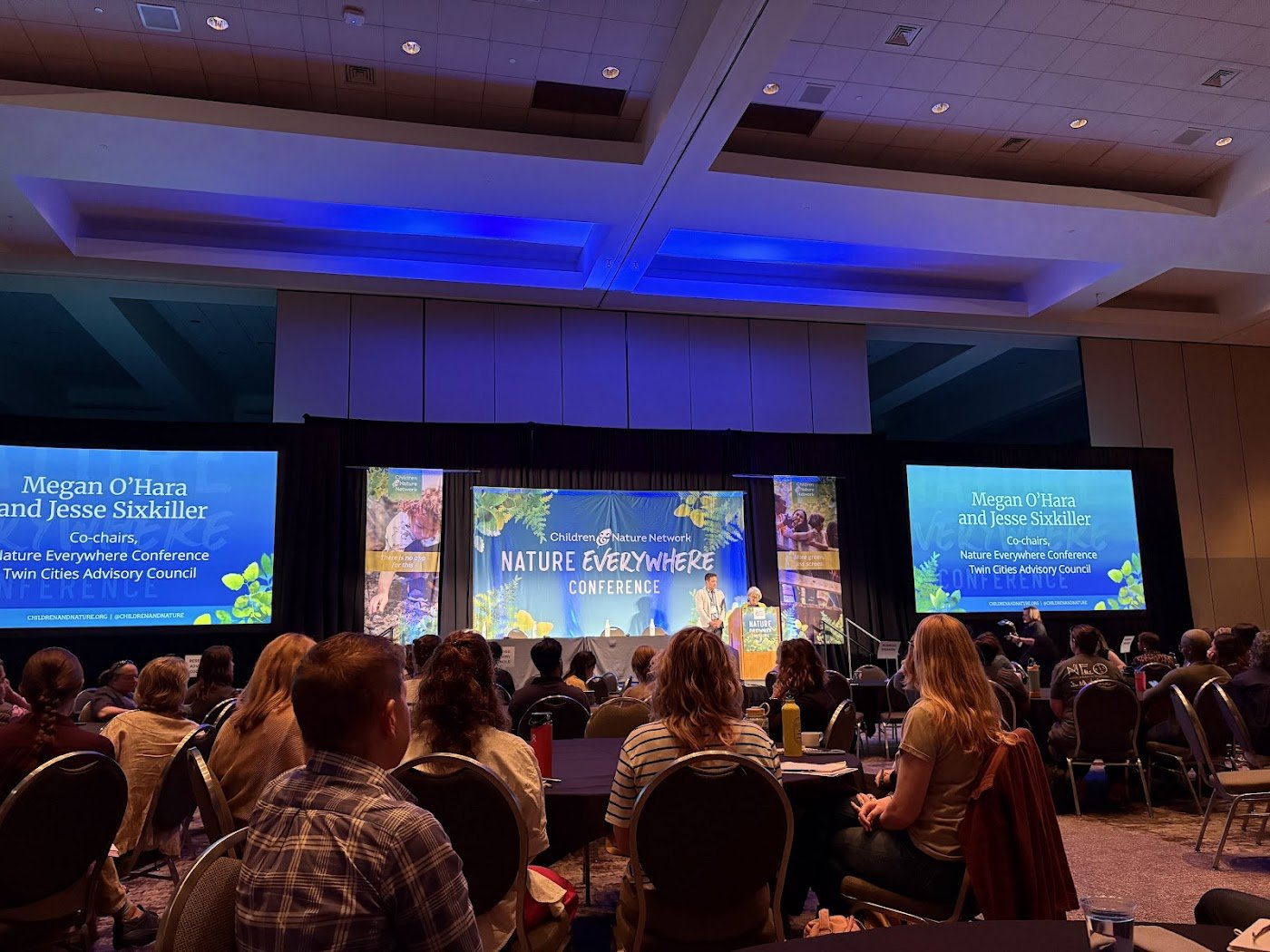
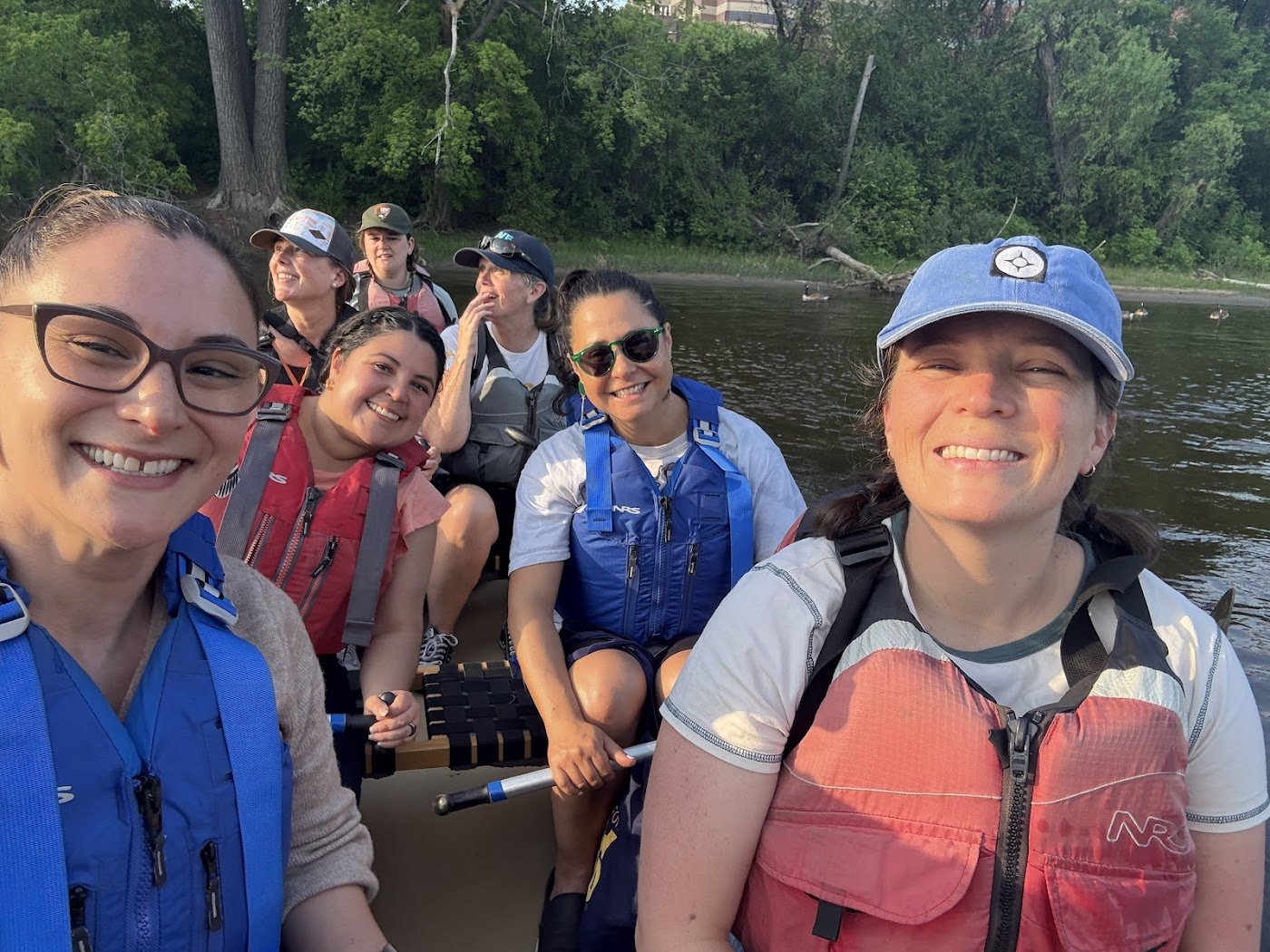
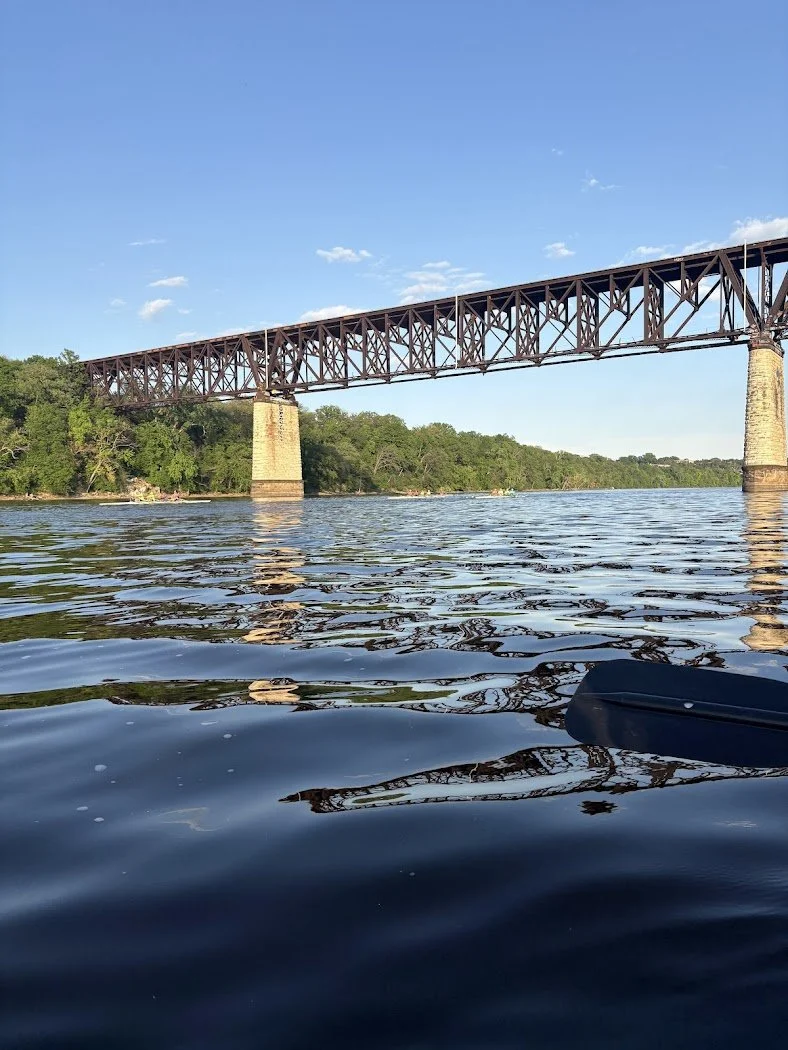

From left to right: 1) Image from the conference main venue, 2) Canoeing with colleagues on the Mississippi River, 3) View from the river 4) View of St. Paul from the Wabasha Street Bridge.
